


Feline health 'not adversely affected' by plant-based diets, study suggests
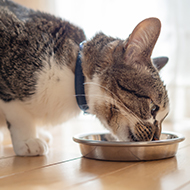
Researchers found that the cats fed strictly plant-based diets had fewer gastrointestinal and hepatic disorders.
The health and wellness of cats do not appear to be adversely affected by a plant-based diet, new research suggests.
Published in the journal BMC Veterinary Research, the study found that owners who fed their cats plant-based diets reported a belief of better general health, improved body condition and fewer health disorders, compared to cats on meat-based diets.
Moreover, researchers found that lifespan of cats did not change based on the type of diet they were fed. The study was conducted by researchers at the Ontario Veterinary College of the University of Guelph in Canada.
'Cat owner perception of the health and wellness of cats does not appear to be adversely affected by being fed a plant-based diet' the authors conclude. 'Contrary to expectations, owners perceived no body system or disorder to be at particular risk when feeding a plant-based diet to cats.'
As obligate carnivores, it has long been considered that cats must consume meat in order to survive. But despite a small number of owners feeding their cats a plant-based diet, the implications of this on cats have not been fully investigated.
In the study, researchers surveyed 1,325 owners of which 18 per cent fed their cat a plant-based diet. Their findings reveal that cats on these diets had fewer gastrointestinal and hepatic disorders and were more likely to have ideal body condition scores than cats fed a meat-based diet.
The cats in the study ranged from four months to 24 years, with an average age of seven years. No differences in reported lifespan were detected between diet types, and more owners of cats fed plant-based diets reported their cat to be in good health.
The authors note that the information gathered is subject to bias, as well as methodological limitations, adding that 'further research is warranted to determine if these results are replicable in a prospective investigation.'


 Eligible members of BEVA will be able to vote for their Council team until Monday, 17 August 2026. Members will have received an election email on 17 July.



