


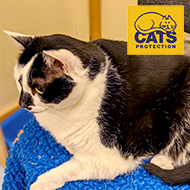
More than 3 million UK cats are already overweight
Charity Cats Protection has expressed concern over the rising obesity problem among cats, which, it says, has continued to worsen across the COVID-19 pandemic.
In it's latest CATS report – carried out before the pandemic – Cats Protection found that more than 3.2 million owned cats were overweight.
In a more recent survey of more than 2,000 cat owners, 28 per cent said that they had overfed their pet since the start of the first lockdown in March 2020.
More than a third of owners (36 per cent) also said that their cat often visited a neighbour for extra food.
Overall, 20 per cent of owned cats had gained between one and 2.25 kilos in weight.
Maggie Roberts, director of veterinary services for Cats Protection, said: “This survey suggests the extra time we’ve spent indoors with our cats has led to us over-indulging them, which owners did out of love or to make their feline feel like a family member.
“Sadly we are doing them more harm than good as overweight cats are at significant risk of diabetes, joint problems and urinary infections.”
The charity shared the story of Paisley, a five-year-old cat that weighed 10.75kgs when she was brought to Cats Protection last year.
Paisley was put on a specially prescribed diet and later adopted by James Frankland from Hove, East Sussex, who continued with her weightloss plan. Mr Frankland now feeds Paisley a diet of normal cat food and ensures she receives responsible portion sizes.
“She is now getting used to normal sizes of cat food and has lost more than three kilos,” says Mr Frankland. “Although she is still two kilos from her ideal weight, she’s already so much more agile and lively. I have no doubt it’s extended her lifespan.”
Image (c) Cats Protection.


 Eligible members of BEVA will be able to vote for their Council team until Monday, 17 August 2026. Members will have received an election email on 17 July.



