


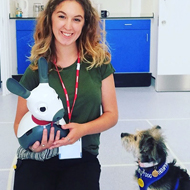
Study finds biomimetic robots may be a suitable replacement in certain situations.
New research published by the University of Portsmouth has highlighted the benefits of robotic therapy dogs for people with allergies.
The study, published in the Journal of Social Robotics, compared a MiRo-E biomimetic robot with real-life therapy dogs and found that it can be as effective and may even be a better alternative.
“We know that real dogs can provide calming and enjoyable interactions for children - increasing their feelings of wellbeing, improving motivation and reducing stress,” commented Dr Leanne Proops from the Department of Psychology.
“This preliminary study has found that biomimetic robots - robots that mimic animal behaviours - may be a suitable replacement in certain situations and there are some benefits to using them over a real dog.”
Dogs are often used in animal therapy, but there are concerns about using them in settings with children owing to the risk of triggering allergies or transmitting disease.
“Although lots of people in schools and hospitals benefit greatly from receiving visits from a therapy dog, we have to be mindful of the welfare of the therapy dog,” explains therapy dog owner and first author of the paper, Olivia Barber. “Visits can be stressful and incredibly tiring for therapy dogs, meaning that we should be exploring whether using a robotic animal is feasible.”
In the study, researchers assessed the interactions between a group of school children (aged 11-12), two Pets As Therapy dogs and a biomimetic robot. They found the children spent a similar amount of time stroking both the real-life dogs and the robot but spent more time interacting with the robot.
A survey of the children revealed that the children significantly preferred the session with the living dog. However, overall enjoyment was high, and the children expressed more positive emotions following interaction with the robot.
The more the children attributed mental states and sentience to the dog and robot, the more they enjoyed the sessions, the researchers said.
Dr Proops said: “This is a small-scale study, but the results show that interactive robotic animals could be used as a good comparison to live dogs in research, and a useful alternative to traditional animal therapy.”


 Eligible members of BEVA will be able to vote for their Council team until Monday, 17 August 2026. Members will have received an election email on 17 July.



