


Thousands of seabirds to benefit from Solway Firth expansion
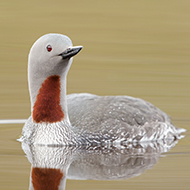
The red-throated diver will be joining the extensive list of species already protected by the MAP.
A stretch of water on the English-Scottish border is to be given additional protection in a bid to improve seabird populations.
The Solway Firth, which is classified as a Marine Protected Area (MAP), is being expanded by 92,070 hectares, becoming a total of 135,750 hectares in size.
Some 125,000 seabirds will benefit from the expansion of this site, said Defra, with the red-throated diver and ringed plover joining the extensive list of species already protected.
The move follows work undertaken by Nature Scot and Natural England and a public consultation on the introduction of further protections.
The expansion will provide greater clarity on where boundaries of important foraging areas for protected seabird species are and offers the opportunity to adopt additional management measures if required, such as bylaws to manage commercial fishing or the zoning of water sports.
Environment minister Rebecca Pow said: “The UK seabird population is of global importance with the UK holding more than a quarter of Europe’s breeding seabirds. This addition to England’s vital MPA network is a significant step forward in our ongoing commitment to protect and improve the resilience of our marine environment and its precious wildlife.
“Together with the development of our Seabird Conservation Strategy, we will help the coastal environment to recover and thrive for future generations to enjoy.”
Marian Spain, Natural England chief executive, said: “The new protections at Solway Firth, based on advice from the UK’s world-leading scientists will create more space for nature to recover and signify a significant step forward in enhancing protections for a range of globally important sea and shorebirds.
“We will continue to work with Defra as they develop their Seabird Conservation Strategy to understand the challenges that seabird populations currently face and consider what further measures are needed to help their recovery.”


 Companies marketing medicines for small pets exempt from authorisation must submit their annual return to the Veterinary Medicines Directorate (VMD) by 30 November 2026.



