


SRUC aids development of diversity monitoring methods for iconic species
A project which has developed a 'world-first' method to help understand and conserve genetic diversity in wild species has won the 2020 Innovation Award at RSPB’s Nature of Scotland Awards.
The project – which was funded as a SEFARI Gateway Think Tank – was led by the Royal Botanic Garden Edinburgh and Scottish Natural Heritage.
A range of partners were involved including Scotland's Rural College (SRUC), which helped to develop methods of measuring biodiversity at the genetic level.
The 'scorecard', designed by the Think Tank, established a standardised risk assessment to identify genetic problems in a wide range of some of Scotland's iconic wild species. This tool will also help to conserve genetic diversity by informing species monitoring and management.
According to SRUC scientist Professor Eileen Wall, the scorecard can be used to look at a much wider range of plants and animals than crop varieties and livestock breeds, as is normally the case.
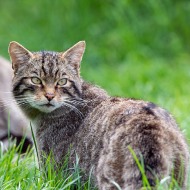
So far, the scorecard has been used to look at 26 species in Scotland, ranging from heather to the Scottish wildcat.
Dr Ian Dawson, another SRUC scientist, added: “Not only can the scorecard be used to measure Scottish biodiversity, but it may also act as a model that can be adopted by other countries to quantify genetic diversity in a broad range of organisms.
“If the approach can become an international standard, as intended, then this will address an important gap in current biodiversity reporting. For example, much of my work is in Kenya, and it would be useful to see if the approach can be adopted there and in neighbouring countries.”


 Companies marketing medicines for small pets exempt from authorisation must submit their annual return to the Veterinary Medicines Directorate (VMD) by 30 November 2026.



