


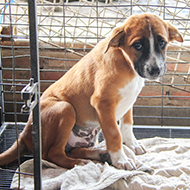
Researchers identify key factors which may result in returned animals
A new study by researchers at the University of Alberta could reduce failed adoptions in animal shelters by helping adopters and shelter staff better understand behavioural issues that a dog may have and prepare for them accordingly.
The study – published in UFAW's Animal Welfare journal - identified the behavioural and physical factors observed whilst a dog was in the shelter that differentiated between successfully adopted and returned animals.
Researchers examined more than 1,700 dog records from an open admission, no kill shelter in Alberta, Canada. The percentage of dogs returned to this shelter was 14 per cent.
The team looked at various characteristics including age, breed, sex and weight, as well as behaviours such as aggression, excitability and anxiety. They also looked at whether the dog had been found as a stray or surrendered by an owner, how long the dog had been at the shelter, and any non-standard medical care.
The results revealed that the main difference between successful and non-successful adoptions was aggression towards other dogs, especially when the dog's size and breed were also a factor.
Dr Clover Bench, co-author and associate professor at the University of Alberta said: “Aggression in dogs is typically most severe when directed towards other dogs and the perceived increased risk for serious incidents in larger breeds could explain a lower adopter tolerance for risks associated with dog-dog aggression.
“In contrast, we did not find that fear aggression, owner-directed aggression, health concerns or separation anxiety-related behaviours were significantly higher in the returned group of dogs when compared with successfully adopted dogs.”
The researchers hope that this study will help shelters to reduce the risk of returns as a result of dog-directed aggression, by identifying these animals ahead of time and improving education for adopters on dog-dog aggression.


 Eligible members of BEVA will be able to vote for their Council team until Monday, 17 August 2026. Members will have received an election email on 17 July.



