


Researchers examine human-animal bond during lockdown
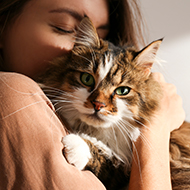
Some 90 per cent of respondents to the survey said their pet helped them cope emotionally with the lockdown.
Researchers at the Universities of York and Lincoln have examined the impact of pets on mental health and loneliness during the coronavirus lockdown.
Their research study, published in the journal PLOS ONE, aimed to investigate links between mental health and loneliness, companion animal ownership, the human-animal bond, and human-animal interactions. It also set out to investigate animal owners’ perceptions related to the role of their animals during lockdown.
Some 6,000 participants from across the UK took part in a survey between March 23 and 1 June, of which 90 per cent owned at least one pet. The findings reveal that sharing a home with a pet appeared to reduce feelings of loneliness and stress during lockdown.
Some 90 per cent of respondents said their pet helped them cope emotionally with the lockdown and 96 per cent said their pet helped keep them fit and active. The strength of the human-animal bond did not differ significantly between species, with the most common pets being cats and dogs followed by small mammals and fish.
"This work is particularly important at the current time as it indicates how having a companion animal in your home can buffer against some of the psychological stress associated with lockdown,” said co-author Professor Daniel Mills from the School of Life Sciences at the University of Lincoln. “However, it is important that everyone appreciates their pet's needs too, as our other work shows failing to meet these can have a detrimental effect for both people and their pets."
Interestingly, 68 per cent of pet owners in the study reported having been worried about their animals during lockdown, owing to restrictions on access to veterinary care and exercise, or because they wouldn’t know who would look after their pet if they fell ill.
Lead author Dr Elena Ratschen from the Department of Health Sciences University of York said: “While our study showed that having a pet may mitigate some of the detrimental psychological effects of the COVID-19 lockdown, it is important to understand that this finding is unlikely to be of clinical significance and does not warrant any suggestion that people should acquire pets to protect their mental health during the pandemic.”


 Eligible members of BEVA will be able to vote for their Council team until Monday, 17 August 2026. Members will have received an election email on 17 July.



