


Ecologists and farmers work together to improve populations in the Avon Valley.
Conservationists have successfully reversed the downward decline of lapwings and other wading birds in the Avon Valley by working with farmers and other land managers.
According to the Game & Wildlife Conservation Trust (GWCT), the LIFE Waders for Real project has succeeded in increasing the number of lapwings in the Avon Valley from 61 pairs in 2015 to 105 in 2019.
The project has seen great success with the redshank population, with numbers increasing from 19 pairs in 2015 to 35 in 2019.
“The project wouldn’t have worked without the farmers and gamekeepers driving it,” commented project leader Lizzie Grayshon. “We opened their eyes to some of the issues and provided guidance on possible mitigations. The extra work these working conservationists put in to help the lapwing on their land has been truly inspiring.”
One of Britain's most iconic birds, the lapwing is also one of our most endangered species. Since the 1960s, populations in England and Wales have fallen by 80 per cent.
The GWCT secured funding for the LIFE Waders for Real Project, and, in 2015, their ecologists began working with gamekeepers, farmers and river-keepers to improve habitat and protect those birds that still bred in the valley.
Livestock farmers Will and Judy Mitchell, for example, now only graze experienced stock on the water meadows. This reduces the risk of nests being trampled and helps achieve the ideal sward with tussocks and large hoof prints, which hold moisture and insects for young lapwing chicks.
The GWCT says that addressing predation pressure was key to the project’s success. Temporary electric-fencing around nests proved effective, as did the control of foxes, crows and American mink.
Rupert Brewer, head gamekeeper on the Bisterne Estate, worked with the GWCT to monitor fox movements using camera traps and GPS tracking collars:
“We always did a bit to control foxes and crows but we stepped it up, focused it at the right time and changed our approach,” he said. “When we started, I remember seeing a pair of lapwings and 25 crows on the water meadows.
“Three years later I saw about 25 lapwings and one crow, which means they’ve got a chance. Being able to control corvids under the General Licences and foxes means we can maintain a balance, which is essential for stopping lapwing decline.”
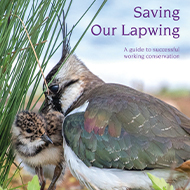
A new booklet, ‘Saving our Lapwing: a guide to successful working conservation’, documents the success of the project and describes the conditions lapwing need to thrive.
Image (C) GWCT.


 Companies marketing medicines for small pets exempt from authorisation must submit their annual return to the Veterinary Medicines Directorate (VMD) by 30 November 2026.



