


BVA launches voluntary code for workplaces
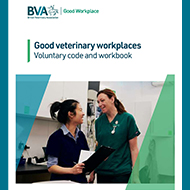
"Each and every one of us deserves to work in a setting where we feel valued" - Gudrun Ravetz.
The British Veterinary Association (BVA) has launched a new voluntary code for workplaces to help ensure that working settings are supportive and welcoming for all members of the veterinary team.
Coinciding with 2020's International Week of Happiness at Work (21-27 Sep), the Good Veterinary Workplace Voluntary Code sets out criteria for what makes a good workplace. It is based on a new evidence-based BVA policy position, developed with input from a working group formed in April 2019.
Gudrun Ravetz, chair of the Good Workplace Working Group, explained: “I’m absolutely delighted to see the launch of our valuable and comprehensive policy, which sets out a vision of the good veterinary workplaces that we should all be striving to create across the profession.
“This vision has been shaped by valuable contributions from across the veterinary community, and it’s also been really useful to draw on good practice in the wider world of work.”
The Code is accompanied by a workbook in which teams will be asked to assess what they already do well in areas such as diversity and equality, health and wellbeing, workload and flexibility. It also asks teams to identify areas for improvement and any HR and management processes that need to be introduced to achieve a positive workplace culture.
The Policy Position on which the Code is based offers 64 practical recommendations for employers and staff on how to offer a fair and rewarding work environment where everyone feels valued. It includes 36 case studies highlighting successful changes and initiatives implemented in the veterinary profession and more widely in the world of work.
It was developed in response to a joint BVA/RCVS-led Vet Futures project, looking at key workforce issues in the profession, including recruitment and retention challenges, a lack of diversity, and general high levels of stress in veterinary teams.
Gudrun Revetz added: “Each and every one of us deserves to work in a setting where we feel valued, supported and fairly rewarded for the contribution we make, but sadly this isn’t the reality for all veterinary professionals.
“By setting out the steps that all veterinary workplaces can take to offer a more welcoming and inclusive environment, with measures in place to help them address issues and continue to improve, we hope to see more workplaces where staff can thrive and enjoy a fulfilling career.”
The workbook is accompanied by Voluntary Code poster, which teams are encouraged to download, sign and display to show their commitment to working towards being a good veterinary workplace.


 Companies marketing medicines for small pets exempt from authorisation must submit their annual return to the Veterinary Medicines Directorate (VMD) by 30 November 2026.



