


Grieving elephant to receive experimental cannabidiol treatment
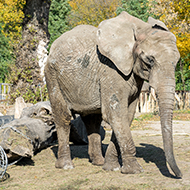
The elephants will receive the CBD oil either directly through their mouths or it will be mixed into their food.
A female African elephant has become the first animal at Warsaw Zoo, Poland, to receive an experimental treatment involving cannabidiol to see if it will relieve symptoms of anxiety and depression.
Young Fredzia has been showing signs of stress since the death of her herd-mate, Erna, earlier this year. Noticing that Fredzia was struggling to adapt and form bonds with the other herd-members, keepers launched a project to see if cannabis-extract oil would relieve her symptoms and restore some balance to the herd.
Dr Agnieszka Czujkowska, head of the zoo's Animal Rehabilitation Department, told BBC News: "This is a huge game-changer in every elephant group. Elephants might have behavioural problems when the structure of a group changes.”
Cannabidiol, or CBD oil, originates from a cannabis plant compound and is thought to stimulate the production of serotonin and dopamine, two chemicals known to affect overall mood. Although it derives from cannabis, CBD oil does not have any intoxicating properties.
The first stage of the experiment has already been completed, with keepers collecting faeces, saliva and blood samples from Fredzia and her herd-mates to monitor their cortisol levels. The team plan to measure the cortisol levels again, once the CBD oil has been administered either directly through the elephant's mouths or mixed in with their food.
Dr Czujkowska said: “We are planning to give them the CBD and measure the cortisol again. This is the experiment. Then we know for sure [the oil] is working or not.”
She added: "It's not very potent. The only side effect will be some behavioural changes. We will have to manage these to achieve the results we want."
Products containing CBD oil for humans and pets are widely available in many countries, but some safety concerns have been raised. In 2019, two cannabidiol-based products used to treat MS and epilepsy received NHS approval for use in England.


 Companies marketing medicines for small pets exempt from authorisation must submit their annual return to the Veterinary Medicines Directorate (VMD) by 30 November 2026.



