


Study shows benefits of therapy dogs for fibromyalgia
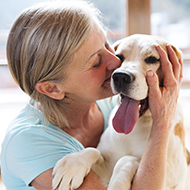
The study found that people living with fibromyalgia experienced a more positive emotional state after a single session with a therapy dog.
The benefits of animal-assisted therapy (AAT) have been highlighted once again in a study investigating the emotional impact of therapy dogs on people with fibromyalgia.
AAT, a term used when a clinician provides therapy with the assistance of an animal, has been used by the NHS for mental and physical illness, including dementia, depression, schizophrenia and addiction. In a newly-published study, researchers at Purina and Mayo Clinic investigated the impact of AAT on patients with fibromyalgia, a chronic condition that causes pain all over the body.
The team found that people living with fibromyalgia experienced a more positive emotional state after a single session with a therapy dog. Patients saw their oxytocin levels increase significantly, while their heart rates decreased. They also reported less negative and more positive emotions.
Lead Mayo Clinic researcher Professor Arya Mohabbat said: "The 'Better Together' study showed therapy animals could be an evidence-based treatment option, and healthcare professionals should strongly consider utilising animal-assisted activity in the care of their patients with fibromyalgia.”
Interestingly, the study also investigated the impact of the therapy sessions on the emotional state of the dogs. Scientists found that the dogs did not show any sign of stress during the animal-assisted session, and may have been in a more relaxed state at the end of the session.
Researchers also report that, for most parameters, there were no changes in the dogs, signalling contentment. For those that did change, however, they pointed to a more positive emotional and physiological state, such as a significantly lower heart rate.
Professor François Martin, the lead Purina scientist on the project, explained: “We need to expand our understanding of how animal-assisted activity impacts therapy dog’s wellbeing, and this study with 19 dogs of various breeds provided solid evidence that animal-assisted activity done in the right condition does not have negative impacts on well-trained therapy dogs.
“This only encourages us to do more research to continue to demonstrate the power of the human-animal bond on people while ensuring assistance animals also experience positive wellness as a result of their work.”
Currently, there is no cure for fibromyalgia, and many individuals seek non-conventional treatments in search of relief. The authors of the study conclude that a 20-minute therapy dog visit could significantly and positively impact the physical and mental health of patients with fibromyalgia.


 Eligible members of BEVA will be able to vote for their Council team until Monday, 17 August 2026. Members will have received an election email on 17 July.



