


Findings will allow researchers to develop new diagnostic tests.
One of the most common causes of equine pregnancy loss has been highlighted in a pioneering study led by researchers at the RVC.
The study, published in the journal Scientific Reports, identifies that a chromosomal defect is a key reason why a significant number of equine pregnancies fail within the first two months of development.
Researchers say the discovery could lead to the development of new diagnostic tests, offering hope to the thousands of owners of breeding mares that suffer this condition.
“Early pregnancy loss remains a very frustrating condition for clinicians to treat as the underlying cause is unknown in around 80 per cent of cases,” commented Dr Mandi de Mestre, a reader in reproductive immunology at the RVC.
“A diagnostic test would allow them to make informed decisions on treatment strategies and to advise on whether they should invest in further attempts to breed their mare benefiting both horses and their breeders alike in the future.”
Because the underlying cause behind equine pregnancy loss is often unknown, it is notoriously difficult for veterinary surgeons to manage. In this study, researchers determined 'aneuploid pregnancies' as the major factor for the condition, similar to Down’s Syndrome screened for in human pregnancy
Researchers collaborated with seven different veterinary practices to gain access to samples from across the UK and Ireland and found that around 20 per cent of the pregnancies lost were aneuploid. To confirm the results, RVC PhD student Charlotte Shilton applied three different genetic approaches.
Scientists are now investigating the underlying cause of these aneuploid pregnancies, with early data suggesting it is most commonly introduced via the egg or sperm. Until now, chromosomal defects such as aneuploidy have only been reported as rare in young horses with developmental disorders.
Researchers say the study shows why the condition is so rare in horses and highlights the need to reconsider this condition both in pregnancy loss but also for early developmental disorders.
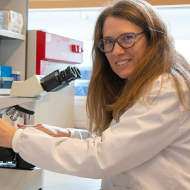
Image (C) RVC.


 A nationwide roadshow offering free, personalised parasite risk assessments and flea and tick checks will be visiting popular dog events across the UK.



