


Vets call for clarity on pet travel post-Brexit
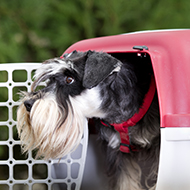
Pet travel requirements may change from 1 January 2021.
The British Veterinary Association (BVA) is calling on the UK government to set out changes to post-Brexit travel rules as soon as possible to help veterinary professionals manage owner demand.
The organisation says that if the UK is granted 'unlisted' status, pet owners may need to see a veterinary surgeon four months ahead of their intended travel date. On Monday (13 July) chancellor Michael Gove announced a new campaign to help the UK prepare for the end of the transition period.
Pet travel requirements may change from 1 January 2021, depending on what status the UK is granted. If the UK receives 'unlisted' status, pets will need to be microchipped and vaccinated against rabies and have a blood test at least 30 days following the vaccination.
Owners will then need to wait a further three months from the date of the successful blood sample before they can travel with their pet. They will also need an animal health certificate setting out the details of the test and results issued by an Official Veterinarian before travel.
Speaking to the Today Programme on Radio 4 on Monday (13 July), BVA president Daniella Dos Santos said: “In order for owners to take their pets abroad, they need to start thinking about it now. If we end up being an unlisted country, cats, dogs and ferrets need to have a rabies vaccine.
“We then need to wait thirty days and take a blood test, then provided the test comes back as a positive titre result you then have to wait three months from the date of sampling to be able to travel freely. In all, that’s a four-month leeway period. If you are thinking of travelling after the transition period ends, I would suggest that you need to speak to your vet soon.”
Ms Santos added that with the effects of COVID-19 and subsequent social distancing measures, pet owners might have to wait longer for an appointment.
“The challenge will be that vet visit. The profession is still reeling, as everyone is, from the effects of COVID and it will take you longer to get an appointment,” she said. “You will absolutely get an appointment, but it just may not be as soon as it would have been before COVID. We are asking the Government to let the veterinary profession know as soon as possible what we need to do.”
If the UK gets categorised as a Part 1 listed or Part 2 listed country, pets would need to be vaccinated against rabies at least 21 days ahead of travel and have tapeworm treatment if required. A Part 2 scenario would also require an Animal Health Certificate to be issued no more than ten days ahead of each time you travel.
For government guidance on pet travel to Europe from 1 January 2021, click here


 Companies marketing medicines for small pets exempt from authorisation must submit their annual return to the Veterinary Medicines Directorate (VMD) by 30 November 2026.



