


Separation anxiety a 'ticking time bomb', warns Dogs Trust
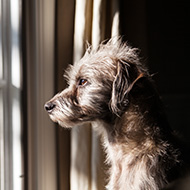
"Just make sure that you factor time apart from your dog each day to help them be able to cope when alone."
One of the UK's leading experts in canine behaviour, Dr Rachel Casey, has expressed concern about separation anxiety in dogs after the COVID-19 pandemic lockdown.
Under current lockdown measures, people are only allowed to leave their home for certain reasons, such as exercise or essential shopping. But experts are warning this could create major problems for dogs, who are not used to their owners being home all day.
In a statement, Rachel - who is director of canine behaviour at Dogs Trust - said: “For many of us it has been great to spend so much time with our dogs during lockdown and mostly our dogs love us being around too. But all this extra attention could potentially create a ticking time bomb of separation anxiety for our dogs.”
Rachel believes that if dogs expect their owners to be around all the time, it will be more difficult for them to cope when we return to our normal lives. In light of this, she is calling on dog owners to take action now to avoid future problems:
“Just make sure that you factor in time apart from your dog each day to help them be able to cope when alone – this could be separated from you by a door or child gate for an hour or two whilst you’re working or home-schooling the kids,” she said.
“By organising your dog’s day, with time apart, playtimes, exercise, other activity sessions (like giving them a food-filled toy) and quiet times, you can make sure that your dog maintains their ability to cope with the different aspects of ‘normal’ life when we get back to it.”


 Eligible members of BEVA will be able to vote for their Council team until Monday, 17 August 2026. Members will have received an election email on 17 July.



