


Half of UK’s pet rabbits live life in solitude
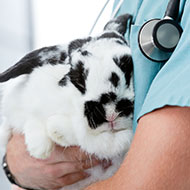
Compatible rabbit companions can benefit from better physical and mental health.
Research by the BVA has revealed that almost half of pet rabbits seen by veterinary surgeons in the UK live their lives in solitude.
Figures revealed by the organisation show that 42 per cent of rabbits seen by vets between April and May 2019 were housed alone. This is despite research that shows that rabbits are happier and healthier when housed with a suitable companion.
In light of these figures - and owing to the importance of companionship for physical and mental wellbeing - the veterinary profession is calling on potential owners to consider taking on more than just one pet rabbit.
Research published in the 2019 PDSA PAW report found that rabbits are the third most popular pet in the UK. However, a recent BVA survey of vets in the UK showed that 73 per cent had seen pet rabbits that were not having all of their welfare needs met and, of the rabbits they saw, a staggering 42 per cent were housed alone.
In a bid to improve rabbit welfare, the BVA has teamed up with The British Veterinary Zoological Society (BVZS) and the British Small Animal Veterinary Association (BSAVA) to call for greater awareness of the health and welfare benefits of housing rabbits in compatible pairs or groups.
The group says that compatible rabbit companions - that is two of the same sex (preferably neutered) or of neutered opposite sex - can benefit from better physical and mental health, behavioural opportunities and emotional health. It also says that sufficient indoor or outdoor housing space is essential and that rabbits housed with another of the opposite sex should always be neutered.
Breeders, vets, pet sellers, animal welfare organisations and the government are being urged to work together to improve awareness of the benefits of housing pet rabbits in compatible pairs or groups.
“Whether they are outside or inside, pet rabbits are highly sociable animals and benefit from buddying up with a suitable companion, so it’s a big concern that so many in the UK still live alone,” commented BVA president Daniella Dos Santos. “It’s important to acknowledge the significance of companionship and adequate housing space to keep rabbits happy and healthy.
“We aim to create better awareness of both the physical and emotional health and welfare benefits to rabbits of keeping them in compatible pairs and want to spread the word that #ItTakesTwo! Anyone thinking of taking on a pair or group of rabbits should seek expert veterinary guidance to help make sure that the match is successful.”


 Eligible members of BEVA will be able to vote for their Council team until Monday, 17 August 2026. Members will have received an election email on 17 July.



