


Neutering could prevent cat hoarding, study suggests
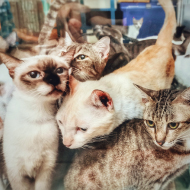
Animal hoarding is generally defined as the accumualtion of a large number of animals.
A study by researchers at the University of Nottingham and the RSPCA suggests that cat hoarding could be prevented with the right care and population control.
Published in BMC Veterinary Research, the study assessed whether giving people the opportunity to get their cats neutered would improve the welfare of animals.
Some 176 cats from ten multi-cat households with a history of complaints to the RSPCA were recruited for the study. An RSPCA veterinary surgeon initially assessed the overall welfare of each household’s cat population, individual cat welfare and living environment.
All female cats aged eight weeks and over were neutered and the owners were given basic animal care education. Follow up visits were completed two and 12 months later to reassess welfare factors and population numbers.
The cats were graded at each visit for their welfare; researchers found that the average scores significantly improved at both the two and 12 month revisits. By the end of the study, three out of the ten households had voluntary given up all of their cats, and there was an overall 40 per cent reduction in the number of cats.
“Animal hoarding has previously been an unmanageable welfare concern with no evidence to back up intervention techniques,” said Jenny Stavisky from the School of Veterinary Medicine and one of the lead authors of the study. “Our results show that with engagement from vets and preventative care and population control, we can significantly improve the welfare of these animals in relatively short timescales.”
Animal hoarding is generally defined as the accumulation of a large number of animals; failure to provide minimum care standards such as food, sanitation and veterinary care; and the failure to respond to the deteriorating condition of animals or the environment around them.
Typically, hoarded animals are found in conditions of squalor, neglect and malnutrition, with evidence of poor socialisation, inbreeding and high rates of infectious disease. A study by the American Psychiatric Association recognised hoarding as a mental illness, however the underlying causes have not been fully identified.
Previous efforts to solve the problem of hoarding involved confiscating all of the infected animals. However, often led to repeated occurrences of hoarding within the same households, making this problem especially difficult to assess.
Jenny Stavisky added: “We are looking to expand this work to other areas of the country and also work in partnership with RSPCA Branches, other cat welfare organisations, Universities and human mental health experts.”
The study, A novel approach to welfare interventions in problem multi-cat households, was carried out by experts from the school of veterinary medicine and science at the university of Nottingham and the RSPCA’s Greater Manchester Animal Hospital.


 Eligible members of BEVA will be able to vote for their Council team until Monday, 17 August 2026. Members will have received an election email on 17 July.



