


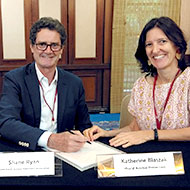
Agreement will put the focus on vets in humane dog population management
The World Small Animal Veterinary Association (WSAVA) has signed a Memorandum of Understanding (MoU) with World Animal Protection (WAP) to raise awareness of animal welfare issues across the globe and promote animal welfare education.
Under the terms of the Memorandum, the organisations will prioritise the role of vets in managing the humane management of dog populations and in the control and eradication of rabies. It is hoped the move will encourage veterinary professionals across the world to facilitate a harmonious existence between people and dogs and to ensure that all dogs are treated humanely.
This is the second MoU the WSAVA has signed with WAP. The first was in 2014 following the charity’s campaign to create better lives for dogs locally.
“This second MoU is an extension of our important collaboration with World Animal Protection. It puts more focus on the role of the veterinarian in humane dog population management and rabies control, issues in which our Animal Wellness and Welfare and One Health Committees take a strong interest,” said WSAVA President Dr Shane Ryan.
“We look forward to this renewal of our relationship and to working with the World Animal Protection team and utilizing the excellent educational resources it produces.”
The MoU will give WSAVA members access to WAP’s Life’s Better with Dogs’ campaign resources, as well as its training course ‘Animals in Disasters’. WAP will promote the WSAVA’s Guideline for Companion Animal Welfare, as well as actively taking part in events including the WSAVA World Congress.
"Dogs have long been viewed as man’s best friend, but sadly, the majority of the free-roaming global dog population lives under the constant threat of persecution and violent culling,” commented Pankaj KC, programme director for animals in communities at WAP.
“Our continued collaboration with WSAVA means that we can together continue to safeguard the lives of dogs and people in these communities and help humans and dogs live together in harmony.”
Image (C) WSAVA.


 Companies marketing medicines for small pets exempt from authorisation must submit their annual return to the Veterinary Medicines Directorate (VMD) by 30 November 2026.



