


Video a ‘much-needed resource’ to train producers in what to look for
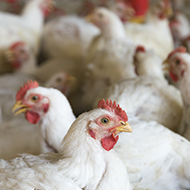
Researchers at Bristol Veterinary School have teamed up with the Co-op and FAI Farms to produce a training video for broiler farmers to help improve chicken welfare.
The video follows four years of research by the organisations, which revealed gaps in the current training given to new broiler farmers. In the first instance, around the importance of observing broiler behaviour and in the second, how farmers can improve chicken welfare by encouraging positive behaviours.
It will be shown to all new chicken farmers within the Co-op supply chain and will form part of the broiler welfare training module - a requirement of all farmers producing chickens to Red Tractor Standards.
"We have worked with industry partners to produce and evaluate the effectiveness of this evidence-based training video,” said Dr Siobhan Mullan, a senior research fellow in animal welfare at the Bristol Vet School. “We are delighted that it will be made widely available through UK training courses and hope that, in combination with other initiatives, it will help to deliver real improvements to bird welfare."
Positive behaviours are those that animals are highly motivated to carry out and create feelings of enjoyment or pleasure. In broilers, this includes running, jumping, wing flapping, scratching at litter and dust bathing.
The video shows broilers displaying positive behaviours alongside commentary on why these behaviours are vital for the welfare of birds. It calls attention to the importance of litter, explaining why dry, friable litter is desirable for bird health and environmental enrichment. Furthermore, it also urges farmers to take time out of their day to observe the behaviour of their birds so they can quickly spot anything that might be wrong.
Feedback so far from experienced farmers about the video has been positive. Ninety-five per cent of Co-op farmers who participated in a trial said it was was 'very to extremely effective' in explaining the benefits of observing birds. A further 83 per cent said they would be looking for and encouraging specific positive behaviours when observing their birds in the future.
"Expression of specific behaviours that are important to an animal is crucial in ensuring they have a life worth living,” said Annie Rayner, research manager at FAI farms and PhD student at the University of Bristol.
“Good farm management is key to providing opportunities for these behaviours.This video is a much-needed resource to train producers in what to look for and to pay attention to the behaviour of their birds. With 20 million broilers a week being produced in the UK and this video being made available to the entire UK industry, we hope that this resource helps towards improving the welfare of millions of birds."


 Companies marketing medicines for small pets exempt from authorisation must submit their annual return to the Veterinary Medicines Directorate (VMD) by 30 November 2026.



