


Experts warn of the risks of festive weight gain
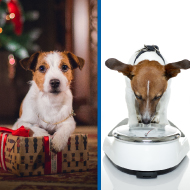
Only 15% of owners described their pets as overweight or obese.
With Christmas excesses not far off, experts are flagging parallels between human and pet obesity. Research shows that holiday weight gain in humans is a worldwide phenomenon, but it should also be a concern for the 50 per cent of UK adults who own a pet.
A recent Harris Poll revealed that nearly all (95%) of pet owners consider their pets to be members of the family; and in the 2018 PDSA Animal Wellbeing (PAW) Report, vets estimated that 46 per cent of dogs they saw in practice each week are overweight or obese. However, only 15 per cent of owners described their pets as overweight – and none selected the ‘very overweight’ or ‘obese.’ categories!
Similarly parents are often not good at recognising unhealthy weight in their children; and there may be public misconceptions about what excess weight looks like in humans and pets, because images of obesity used by the media are often extreme.
Pet obesity experts believe the disease – and its related health complications – is the largest health challenge currently facing UK pets. They say that keeping the weight off won’t be achieved by simply blaming owners; and that veterinary professionals need to support pet owners to better understand the factors influencing why their pet is gaining weight.
Dr Alex German, professor of small animal medicine at the University of Liverpool, advocates a great first step is to start long-term monitoring of a pet’s weight. “Weigh your pet weigh, weigh again and keep weighing,” he suggests.” Doing things such as weighing food for each meal, utilising slow feeders for dogs and cats, cutting back on the amount or frequency of treats and exploring specific diets will all also be of benefit.
Dr Hilda Mulrooney, dietitian and associate professor in nutrition at Kingston University, London, who is a specialist in weight management and behaviour change, says the same goes for people. We need to treat obesity like any other chronic disease and not as a personal failing. We should support, not blame, people living with the condition. And it is certainly no laughing matter.
Professor German’s research has shown that dogs carrying excess weight are more likely to exhibit undesirable behaviours, including food stealing, food guarding and aggression both to other dogs and strangers.; and obesity can have serious health implications for pets beyond effects on physical appearance including:
- diabetes
- shortened lifespan – by up to two years depending on breed
- joint issues
- respiratory difficulties.
The holiday season can see many exercise programmes fall by the wayside too. It is important to maintain – and even increase – physical activity to balance out additional food consumed and walking a dog is a way to do this. But remember, Dr Mulrooney says, you need to walk briskly enough to see shortness of breath to gain the cardiovascular benefits!


 Companies marketing medicines for small pets exempt from authorisation must submit their annual return to the Veterinary Medicines Directorate (VMD) by 30 November 2026.



