


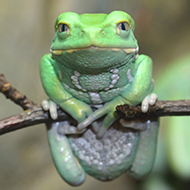
Scientists urged to study the welfare of lesser-known species
Researchers at the University of Exeter say there is a distinct “mammal bias” when it comes to scientific research on zoo animals.
The study, published in the journal Palgrave Communications, analysed the past decade of zoo animal research and noted the growth and value of such studies.
It found that research on zoo animals focuses more on “familiar” species such as chimpanzees and gorillas, less so than well-known species such as the waxy monkey frog. This is despite the fact that, globally, fish and birds outnumber mammals reptiles and amphibians in zoos.
Lead author Dr Paul Rose said that while this bias exists on wider research, zoos can provide great opportunities to study other species.
“Some species, such as chimpanzees, are popular with scientists because we know a lot about them, they are accessible and humans can relate to them,” he said. As well as being found in zoos, many of these species are relatively easy to find and study in the wild. By contrast, it would be hard to find a waxy monkey frog in the rainforest to conduct your research.
“Zoos offer us a fantastic opportunity to study a vast range of species, many of which would be very difficult to observe in their natural habitat. Our findings can teach us about conservation, animal health and how best to house them in zoos.”
The research also looked into whether research in different animals tended to focus on different topics.
Dr Rose continued: “Lots of mammal studies are about animal welfare, which is great, but we should also research the welfare of fish, birds and anything else we keep in zoos.
“At the moment, we are publishing on the same few species, rather than broadening our scope. Obviously we have lots to learn about every species, but opportunities to study many other zoo-housed animals are currently being missed.”


 Companies marketing medicines for small pets exempt from authorisation must submit their annual return to the Veterinary Medicines Directorate (VMD) by 30 November 2026.



