


BBQ injury figures prompt vets to issue warning
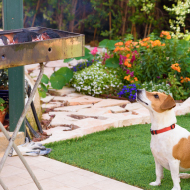
More than half of vets (56 per cent) treated injuries as a result of pets eating corn on the cob.
A quarter of vets treated pets for barbecue-related injuries last summer, with corn on the cob being the most common culprit, according to new figures from the BVA.
More than half of vets (56 per cent) treated injuries as a result of pets eating corn on the cob. This was followed closely by damage to the mouth and internal injuries from kebab skewers and cooked bones (53 per cent).
One vet responding to the survey warned: ‘Owners still think corn on the cob is “natural” so it can’t cause issues, but I have seen worse gut reactions to corn on the cobs than to pointy toys, cocktail picks or remote controls.’
Vets also reported treating dogs for burns as a result of eating hot food off the grill (seven per cent) or touching the barbecue/hot coals (five per cent).
Several vets reported seeing cases of gastrointestinal upset or pancreatitis from pets being fed too much greasy food. In one more extreme case, a puppy died from inhalation pneumonia when it tried to swallow a burger but inhaled it instead.
Other cases mentioned include a dog that required surgery to remove an obstruction caused by a corn on the cob and the metal skewers used to hold it. Another dog was suspected of having a neoplastic tumour, which was later found to be a 16cm kebab skewer.
BVA’s junior vice president Daniella Dos Santos said: “Dogs are well known scavengers and will eat anything they think is a tasty morsel. Corn itself is not poisonous to dogs, but a cob can cause an obstruction which can have devastating effects on the digestive system, such as intestinal rupture.
“Symptoms of gastrointestinal blockage include vomiting, inappetence, lethargy and pain. If an owner has any concerns that their dog has eaten something it should not have done, we'd advise contacting a local vet immediately.
“We’d also urge anyone having a barbecue this summer to keep other greasy meats, kebab skewers and bones well out of reach of inquisitive pets, as these can cause serious injury or illness that often require medical treatment or even surgery.
“If you’re having a barbecue in a public space like a park, please clean up any leftover food and skewers to make sure other dogs don’t accidentally swallow them.”


 Eligible members of BEVA will be able to vote for their Council team until Monday, 17 August 2026. Members will have received an election email on 17 July.



