


Labour announces plans to ban pet primates
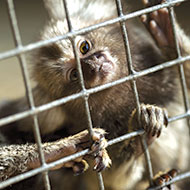
An estimated 5,000 primates are being kept as pets in the UK.
The Labour Party has announced plans to ban the keeping and trading of pet primates if it forms the next government.
Labour said it would implement a “total ban” on the keeping of marmosets, capuchins, squirrel monkeys and lemurs as part of its new Animal Welfare Manifesto, to be published later this month.
Figures published by the party show an estimated 5,000 primates are being kept as pets in the UK. Labour said they are often kept in cages and “denied proper lighting and nutrition causing painful and debilitating diseases such as metabolic bone disease”.
Labour also said that monkeys are “regularly taken away from their mothers at a young age and kept in isolation, becoming depressed and displaying behaviour such as self-mutilation, hair pulling and rocking back and forth.”
The proposed legislation is already in place in Belgium and several other European countries.
Labour’s Shadow environment minister, Luke Pollard said: “It is astonishing that it is still entirely legal to keep primates as pets, regardless of how endangered or dangerous the animal is. Anyone can browse the internet and buy a primate with little or no checks and inspections.
“We know that primates are very intelligent, social animals with complex needs that simply cannot be met in a home environment. Labour will ban people from keeping pet primates as part of our plans to bring Britain’s animal welfare laws into the 21st Century.”
Labour added that rescue groups such as the RSPCA and Wild Futures receive approximately one call a week relating to the welfare of a captive monkey.


 A nationwide roadshow offering free, personalised parasite risk assessments and flea and tick checks will be visiting popular dog events across the UK.



