


Government urged to review pet travel legislation
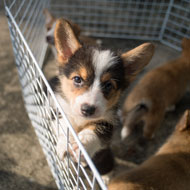
Imports of dogs to Britain reached 307,357 dogs in 2018, compared to 287,016 the previous year.
The Government has been urged to review pet travel legislation after figures revealed that dog imports breached the 300,000 mark for the first time in 2018.
Rehoming charity Dogs Trust said that a lack of visual checks at borders and insufficient penalties means there is "no real deterrent" for people wanting to smuggle in breeds such as dachshunds, French bulldogs and English bulldogs.
On Wednesday (5 June), figures revealed by Defra showed that imports of dogs to Britain reached 307,357 dogs in 2018, compared to 287,016 the previous year. It is the sixth year in a row that the figures have increased since the introduction of the Pet Travel Scheme (PETS).
While some of these imports will have been dogs entering the UK on British passports, investigations by Dogs Trust have revealed that PETS is repeatedly being used as a cover to illegally import puppies from Central and Eastern Europe.
“Great Britain remains a target for dealers because of the vast sums people are willing to pay for such breeds and the lack of supply within Great Britain itself from reputable breeders,” said Dogs trust veterinary director Paula Boyden.
“The four undercover investigations that Dogs Trust has carried out into the abuses of the Pet Travel Scheme have provided Government with a mountain of evidence. We now urge the Government to take forward our clear recommendations to overhaul our pet travel legislation and increase the penalties for those caught fuelling this despicable trade.”
Among the recommendations set out by Dogs Trust is a call to reintroduce the requirement for a rabies blood (titre) test before entry to the UK, together with a waiting period in line with the incubation period of rabies.
The organisation would also like to see the reintroduction of the requirement for dogs and cats to be treated against ticks before entering the UK.


 Eligible members of BEVA will be able to vote for their Council team until Monday, 17 August 2026. Members will have received an election email on 17 July.



