


Dental disease ‘most common issue facing pet greyhounds’
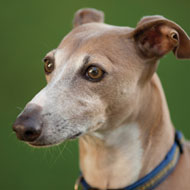
Researchers also found that traumatic injuries, overgrown nails and osteoarthritis are major concerns for pet greyhounds.
Dental disease is the most common issue facing pet greyhounds, according to a study by the Royal Veterinary College (RVC) and the University of Bristol.
The study, published in the journal Canine Genetics and Epidemiology, assessed 5,419 greyhounds seen by first opinion practices in 2016. Researchers found that 39 per cent of greyhounds suffered dental problems - far higher than has been reported for other large dog breeds.
Researchers also found that traumatic injuries, overgrown nails and osteoarthritis are major concerns for pet greyhounds. Overgrown nails affected 11.1 per cent of greyhounds in the study, wounds 6.2 per cent, osteoarthritis 4.6 per cent and claw injury 4.2 per cent.
An increasing number of greyhounds are being rehomed as pets after their racing careers finish. Researchers say their findings add significantly to the available evidence on the welfare issues surrounding greyhound racing.
They also believe their findings will help breeders and regulators prioritise activities to reduce the worst of the harm to greyhounds from their racing careers. The findings could also help greyhound rehoming organisations advise adopters on optimal preventative care options.
Lead author Dr Dan O’Neill of the RVC, said: “Pet greyhounds are now a common breed treated in general veterinary practices in the UK. Retired racing greyhounds can make very good pets, but these results sadly show that they also carry health legacies from inherent breed predispositions as well as impacts from their prior racing careers.”
Dr Nicola Rooney, co-author and lead researcher on Greyhound Welfare Project at the Bristol Veterinary School said “Greyhounds can make fantastic pets and live long healthy lives, but it has long been suspected that they are particularly prone to dental problems which can negatively impact upon their quality of life.
“Here we have the first evidence that levels of dental issues are higher in greyhounds than in other breeds. This highlights the importance of conducting research into ways of improving dental health.”


 Eligible members of BEVA will be able to vote for their Council team until Monday, 17 August 2026. Members will have received an election email on 17 July.



