


Overeating and too much exercise bad for puppies, study warns
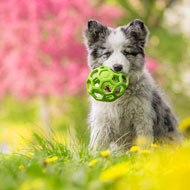
Study author Georgia Lewis said that exercise must be limited until dogs have reached maturity to prevent injury.
Too much food and exercise during puppyhood can lead to serious health problems in later life, according to researchers at Hartpury University.
The study, led by PhD student Georgia Lewis, found that over-eating and over-exercising during a puppy’s early years can lead to obesity, stunted growth, degenerative joint disease and osteoarthritis.
Georgia said it was important for breeders, owners and veterinary professionals to be aware of the factors affecting a dog’s development to reduce the chance of issues emerging in adulthood.
“Although there is such a wide variation in the size of different dog breeds – from a 1kg Chihuahua to a 100kg English Mastiff – nutritional and exercise advice for the first 12 months of life scarcely differs,” she said. “It is crucial that growing puppies have a sufficient diet containing nutrients and vitamins that meet their high energy requirements.
“Resultant malnutrition from under-feeding can cause stunted growth while overfeeding can result in obesity, which has a direct impact on joint and limb formation and can lead to conditions such as secondary osteoarthritis.”
Veterinary Nursing Science graduate Georgia recommends owners prevent their puppies from using the stairs or playing on slippery surfaces to avoid harsh impact on their bones and joints.
“Owners with young children should be especially mindful when the children interact with the puppy to ensure no injury is caused,” she continued. “Similarly, it is also advised that puppies within multi-dog households should be monitored when interacting with other dogs in the home.
“Young dogs’ bones are not fully developed and are unable to sustain stress or force, so exercise, therefore, must be limited until dogs have reached maturity to prevent injury. It is advised that a dog is exercised for five minutes per day, per month of age.”


 Eligible members of BEVA will be able to vote for their Council team until Monday, 17 August 2026. Members will have received an election email on 17 July.



