


‘Decision to own a dog ‘heavily influenced by genes’
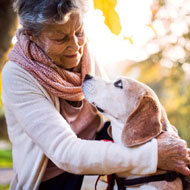
"...these findings have major implications in several different fields related to understanding dog-human interaction throughout history and in modern times."
Genetics may play a big role in our decision to get a dog, according to a recent twin study.
A team of researchers from the UK and Sweden looked at more than 35,000 twin pairs from the Swedish Twin Registry. The findings, published in Scientific Reports, suggest that genetic variation explains over half of the variations in dog ownership.
Concordance rates of dog ownership were also much higher in identical twins than non-identical.
Researchers said this suggests the decision to get a dog is heavily influenced by a person’s genetic make up.
Lead author Professor Tove Fall, from Uppsala University, commented: “As such, these findings have major implications in several different fields related to understanding dog-human interaction throughout history and in modern times.
“Although dogs and other pets are common household members across the globe, little is known how they impact our daily life and health. Perhaps some people have a higher innate propensity to care for a pet than others.”
Co-author Dr Carri Westgarth from the University of Liverpool added: “These findings are important as they suggest that supposed health benefits of owning a dog reported in some studies may be partly explained by different genetics of the people studied.”
Twin studies are a well-known method of determining the influence of genetics and the environment on our body and behaviour. Whilst the recent study cannot identify which genes are involved, researchers said it does show for the first time that genetics and environment play roughly equal roles in determining dog ownership.
Professor Patrik Magnusson, head of the Swedish Twin Registry, said the next logical step is to identify which genetic variants affect this choice and how they relate to personality traits and other factors.


 Eligible members of BEVA will be able to vote for their Council team until Monday, 17 August 2026. Members will have received an election email on 17 July.



