


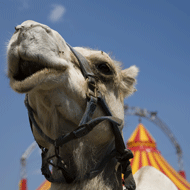
Gove confirms new bill to be introduced in England
Environment secretary Michael Gove has confirmed that the use of wild animals in travelling circuses will be banned in England from 2020.
The move follows a commitment in February last year to introduce a ban by the time existing interim licensing regulations expire. The government initially announced its intention to introduce a ban in 2012.
Mr Gove said: “Travelling circuses are no place for wild animals in the 21st century and I am pleased that this legislation will put an end to this practice for good.
“Today’s announcement follows other measures we have taken to strengthen our position as a world leader on animal protection. This includes our ban on ivory sales to protect elephants, and delivering Finn’s Law to strengthen the protection of service animals.”
The Wild Animals in Circuses Bill will mean circus operators in England can no longer use wild animals as part of a travelling circus. It brings England into line with other parts of the UK, including Scotland and Ireland, which have already banned the practice, while the Welsh Government has pledged to introduce a bill this year.
Welfare organisations and the British Veterinary Association have welcomed the news.
Simon Doherty, BVA president, said: “We are delighted to see this coming into law following a long and sustained campaign and a huge groundswell of public support. This is an outdated practice where the welfare needs of non-domesticated, wild animals cannot be met in terms of housing or expressing normal behaviour.
“While this issue may not affect a great number of individual animals, a ban is emblematic of how we should be treating animals in the modern world.”


 Companies marketing medicines for small pets exempt from authorisation must submit their annual return to the Veterinary Medicines Directorate (VMD) by 30 November 2026.



