


New advice follows growing concern over leishmaniosis
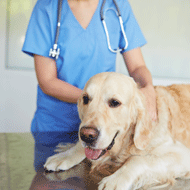
Experts warned that blood transfusions present a potential transmission risk, as dogs can maintain subclinical L infantum infection for years.
Experts are calling for steps to be taken to prevent leishmaniosis taking hold in the UK, after growing concerns about recent cases in untravelled dogs.
A report published in Vet Record last week described what is thought to be the first confirmed case of dog-to-dog transmission. A dog with no history of foreign travel was diagnosed with the disease, six months after an imported dog living in the same household was euthanised due to severe leishmaniosis.
Previously, ESCCAP’s Ian Wright and Samantha Baker of Vets4Pets reported another recent case in an untravelled dog. In this case, the dog’s owners had previously lived in Spain and it is thought that they inadvertently brought infected sand flies back in their luggage, following a visit to Jalón Vally.
Now, scientist Malcolm Duthie and vet Christine Petersen are calling for ‘reasonable steps’ to prevent Leishmania infantum becoming established in the UK.
They made a series of recommendations in a comment piece in Vet Record (Vol 184 No 14), including screening dogs imported from Leishmania-endemic regions. Similar screening should be implemented in the contact population of any dogs presenting with the disease, they added, as well as regular follow ups to ensure conversion does not occur.
The authors also warned that blood transfusions present a potential transmission risk, as dogs can maintain subclinical L infantum infection for years before progression to canine visceral leishmaniasis. They recommend expanding the donor criteria to exclude dogs that have had significant contact with those that have spent time in Leishmania-endemic regions.
Other suggested measures include vaccination and use of topical insecticides for dogs travelling to endemic areas.


 Eligible members of BEVA will be able to vote for their Council team until Monday, 17 August 2026. Members will have received an election email on 17 July.



