


Zebrafish study paves way to new treatments for Parkinson’s
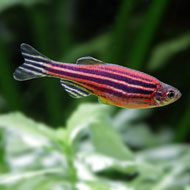
Researchers found that dopamine-producing nerve cells in zebrafish are constantly being replaced by dedicated stem cells in the brain.
New insights gained from studies into zebrafish could pave the way to new treatments for Parkinson’s disease.
Writing in the Journal of Neuroscience, scientists reveal how key brain cells that are damaged in people with Parkinson’s can be regenerated.
Parkinson’s disease is caused by the loss of nerve cells in the brain. These nerve cells are responsible for producing a chemical called dopamine.
When the cells die, the loss of dopamine can cause body movements to become slow and abnormal. Once the cells have been lost from the human brain, they cannot be replaced or repaired.
In the study, researchers found that dopamine-producing nerve cells in zebrafish are constantly being replaced by dedicated stem cells in the brain.
The researchers found the immune system plays a vital part in this process. In some parts of a zebrafish’s brain, however, the process does not work.
Understanding the immune signals that make replacement of these nerve cells could hold clues to developing treatments for humans, the scientists said.
“We were excited to find that zebrafish have a much higher regenerative capacity for dopamine neurons than humans,” said Dr Thomas Becker, of the University of Edinburgh’s Centre for Discovery Brain Sciences.
“Understanding the signals that underpin regeneration of these nerve cells could be important for identifying future treatments for Parkinson’s disease.”


 Companies marketing medicines for small pets exempt from authorisation must submit their annual return to the Veterinary Medicines Directorate (VMD) by 30 November 2026.



