


Owners urged not to replace vet visit with ‘Dr Google’
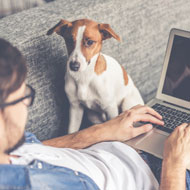
More than 80 per cent of vets have had clients challenge their professional opinion with information found on the internet.
The BVA is calling on pet owners not to replace a visit to the vets with non-clinical information they find online.
The call comes in response to BVA’s Voice of the Veterinary Profession Survey, which revealed 82 per cent of vets have had clients challenge their professional opinion with information found on the internet.
The BVA says that while it's encouraging that owners are taking an interest in their pet’s health, information found online should not compromise the value of speaking to a trusted and valued professional.
“The internet is a great tool for research but it must not undermine the expertise and years of training that a veterinary professional has,” said BVA president Simon Doherty. “Vets have a duty of care to animals and their knowledge and expertise mean that they are best placed to offer medical diagnosis and tailored advice to keep your pet happy and healthy.
“We recognise that there is some useful information on pet health, welfare and behaviour available online but guesswork and advice from unverified sources has the potential to cause a delay in proper treatment or lead to further issues and distress for the animal. The best source of information for animal health concerns will always be a vet who knows your pet.”
The BVA’s survey also found that 67 per cent of vets have seen an increase in cases of owners challenging their recommendations using ‘Dr Google’. Some respondents blamed social media platforms and online forums, saying that clicking into online information led owners to question their vet's advice in areas including healthy diets and medication.
One vet reported seeing owners ‘home-diagnosing’ their pets on the internet, giving them human or non-pharmaceutical medication, and then only taking them to a vet at a point when it was almost too late to save them.


 Companies marketing medicines for small pets exempt from authorisation must submit their annual return to the Veterinary Medicines Directorate (VMD) by 30 November 2026.



