


Dog fighting ‘remains rife’, figures reveal
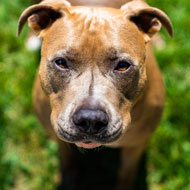
Many dogs used by dog fighters are never found and often those who are rescued are found to be banned under the Dangerous Dogs Act (Stock photo).
Dog fighting remains rife in England and Wales, the RSPCA has said as new figures reveal nearly 8,000 incidents have been reported in the past four years.
Greater London was identified as a dog fighting hotspot, with 653 incidents reported to the charity. Other problematic areas include the West Midlands with 456 reports, followed by Greater Manchester and West Yorkshire (380 apiece) and South Yorkshire (279).
While the figures are dropping year on year, Mike Butcher - the RSPCA’s special operations unit (SOU) chief inspector - said it is “staggering” that this bloodsport is still rife despite being outlawed in 1835.
The figures were revealed ahead of Dog Fighting Awareness Day (8 April), a US campaign that the RSPCA believes should be extended to the UK.
According to the charity, many dogs used by dog fighters are never found and often those who are rescued are found to be banned under the Dangerous Dogs Act, meaning charities are forced to euthanise them as they cannot be rehomed.
However, Staffordshire bull terrier Kali was one of the lucky ones. She was rescued as part of a dog fighting investigation in 2017, after she was found cowering in a garden in Hertfordshire. She was covered in scars, open wounds and bloody bite marks. Her owners were convicted of animal welfare offences and she was rehomed with a couple in Cambridgeshire.
New owner Georgina Arnold said: “We love her so much, we couldn’t be without her now. I couldn’t believe it when I found out the life she’d had before… She has scars and is missing teeth so she has been through a lot. But she is so kind, she is like a teddy bear, there’s not a bad bone in her body. I’m just glad she’s safe now and she’ll never have to know fear or cruelty again.”
Mr Butcher added: “The dog fighting world is a dark and frightening place. But it could be happening in an inner-city warehouse next door to your office or on a rural farm in your quiet village.
“We’d urge the public to be our eyes and ears and report anything suspicious to us to investigate. If you’re concerned about the welfare of an animal or suspect dog fighting may be taking place please call our 24-hour cruelty line on 0300 1234 999.
“Dog fighting is serious, organised animal cruelty and we would not want anyone to put themselves at risk with the sort of people who are involved in such a violent pastime.”


 Eligible members of BEVA will be able to vote for their Council team until Monday, 17 August 2026. Members will have received an election email on 17 July.



