


Hero police dogs to receive animals’ 'OBE'
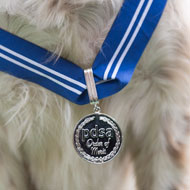
The PDSA Order of Merit is also known as the animals’ 'OBE'.
Seven police dogs who assisted emergency services during the 2017 London terror attacks are set to receive a prestigious award.
Metropolitan Police (MET) dogs Kai, Delta and Dave, alongside British Transport Police (BTP) dogs Bruno, Marci, Jax and Bobby will each receive the PDSA Order of Merit - known as the animals’ OBE - at a ceremony later this year.
The dogs have been selected to represent the 19 police dogs who served during the incidents at Westminster Bridge, London Bridge and Borough Market.
Announcing the award at Borough Market on Tuesday, PDSA vet Rosamund Ford said: “The actions of these incredible dogs – and their handlers – was vital in keeping the public safe and allowing the emergency services to carry out their work.
“They performed their duties in a highly-charged and unfamiliar environment that no amount of training can fully prepare them for. PDSA is honoured to recognise their devotion to duty and service to society.”
British Transport Police Inspector Paul Miles said he was “immensely proud” of the dogs and their handlers and that he was “thrilled” to see their bravery and resilience recognised.
“They worked through physically and emotionally challenging conditions without a second thought, courageously walking into danger and putting the public’s safety before their own,” he said. “While today is a day of celebration, the horror of 2017 will never leave us, and our thoughts will always remain with those who lost their lives and were injured in these terrible incidents.”
Chief Inspector Graham Horwood from the Met’s Taskforce added: “In 2017 we were sadly met with some unimaginable events and our thoughts and condolences remain with those affected. Our police dogs and their handlers were required to work in the most challenging environments and we are delighted to hear that their extraordinary work has been recognised.
“It is an honour for them to receive such a prestigious award and they will continue to work day and night to keep London safe.”
The MET and BTP police dogs will take the total number of PDSA Order of Merit recipients to 27, including 17 dogs and 10 horses.


 Companies marketing medicines for small pets exempt from authorisation must submit their annual return to the Veterinary Medicines Directorate (VMD) by 30 November 2026.



