


Dead whale consumed 40kg of plastic waste
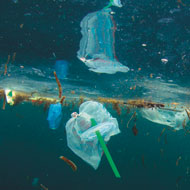
The Philippines is the third biggest contributor to plastic waste in the ocean.
Researchers in the Philipines investigating the death of a whale found 40 kilograms of plastic waste in its stomach.
On Saturday (16 March), scientists from the D’Bone Collector Museum reported that a whale had washed up on the coast of Mabini, Compostela Valley. The team recovered the dead animal - a Cuvier’s beaked whale - and found that it contained dozens of plastic items, including 16 rice sacks, four banana plantation bags and numerous shopping bags.
Writing on its Facebook page, the museum said: ‘This whale had the most plastic we’ve ever seen in a whale. It’s disgusting. Action must be taken by the government against those who continue to treat the waterways and ocean as dumpsters’.
A 2015 report by the Ocean Conservancy charity found that the Philippines is the third biggest contributor to plastic waste in the ocean. The country generates 2.7 million metric tons of plastic waste and half-a-million metric tons of plastic waste per year.
This is not the first whale to have been found dead after swallowing numerous amounts of plastic. In June 2018, BBC News reported that a whale had died off the coast of Thailand after ingesting 80 plastic bags.


 Companies marketing medicines for small pets exempt from authorisation must submit their annual return to the Veterinary Medicines Directorate (VMD) by 30 November 2026.



