


Government will make veterinary medicines a priority
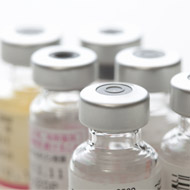
Veterinary medicines have been classified as 'critical goods'.
The Government has confirmed that it will make veterinary medicines a priority in the event of a no-deal Brexit.
A policy paper published on Monday (11 March) has classified veterinary medicines as ‘critical goods’ and has given them Category 1 status. Critical goods are those which are critical to the preservation of human or animal welfare.
The government also confirmed that is has secured contracts with Brittany Ferries and DFDS to run ferries into and out of Poole, Portsmouth, Plymouth, Immingham and Felixstowe. This will help to relieve potential pressure on the Dover Straits and help ensure that critical goods continue to enter the UK.
Welcoming the announcement, RSPCA chief veterinary officer Caroline Allen said “We are encouraged that the import of animal medicines will be prioritised in the event of a no-deal Brexit.
“We have been very concerned that there could be interruptions to the supply chain of drug supplies used in our veterinary hospitals and other vets if we leave the EU without a trade deal. So we have been urging the government to prioritise the welfare and health of those animals most in need.”
She continued: “Brexit is likely to have far-reaching implications for all aspects of animal welfare as we have seen through the Sentience Bill and changes to the Common Agricultural Policy. But we believe the Government’s decision to add veterinary medicines to the ‘critical goods’ list of items considered essential for the preservation of human and animal welfare is a small step in the right direction to mitigate the negative effects a no-deal Brexit could have on animal welfare.
“However, the devil will be in the detail. The RSPCA remains concerned that veterinary surgeons, unlike veterinary drugs, have not be added to the critical list, and any shortage will greatly impact on animal welfare especially in the slaughter of farm animals. It’s important that welfare, rather than economics, is put first and that the medicines apply to all types of animals, both large and small.”


 Companies marketing medicines for small pets exempt from authorisation must submit their annual return to the Veterinary Medicines Directorate (VMD) by 30 November 2026.



