


New study may improve cancer treatment for dogs
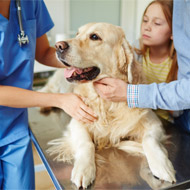
The finding could lead to the development of a non-invasive prognostic test.
Scientists have successfully identified genetic changes in canine mast cell tumours that are linked to the spread of tumours.
The finding, made by vets at the Animal Health Trust and the University of Liverpool, could one day be used to determine how best to treat dogs with mast cell tumours, and may also promote the development of new treatments.
Scientists also say the finding could lead to the development of a non-invasive prognostic test which would tell vets if a cutaneous mast cell tumour is likely to spread, and therefore if chemotherapy is appropriate.
The availability of such a test would help ensure dogs receive the right cancer treatment and would reduce the number of dogs who receive treatment that is not beneficial. The findings have been published in the journal PLoS One.
“The findings of the research study is the result of many years work and are important because so many dogs are affected by cutaneous mast cell tumours,” explained study leader Dr Mike Starkey. “Cancer affects one in four dogs and research is the only way to fight cancer.
“I’m hugely grateful to everyone who has supported my team and this research to-date, and I believe this is a really exciting time as we can begin to see how our work can improve the outcome for dogs with cancer.”
He continued: “We spent a lot of time collecting a suitable group of mast cell tumour samples to allow us to study tumour spread, but we are very excited about the results and their potential relevance to dog health.”
The next step of the research is to further validate the accuracy of the results by conducting a larger retrospective study. To do this, the scientists will require the help of vets all over the country to collect the necessary tumour biopsies.
It is hoped the study will be completed within two years and work to develop the test could begin soon as 2021.


 Eligible members of BEVA will be able to vote for their Council team until Monday, 17 August 2026. Members will have received an election email on 17 July.



