


Empathy for animals linked to oxytocin gene
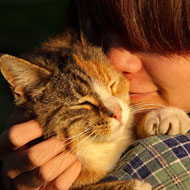
The research has linked genetics to relationships between humans and animals.
Researchers at the University of Edinburgh’s Roslin Institute and Scotland’s Rural College (SRUC) have discovered that animal lovers have a specific version of the oxytocin gene.
Oxytocin, often called the love hormone, influences human behaviour and levels rise with social bonding.
DNA samples from 161 student volunteers were analysed in the study, and participants were instructed to complete a questionnaire to indicate their compassion towards animals.
Results identified a genetic difference in those who displayed high empathy for animals; specifically, within the gene that produces oxytocin.
According to the researchers, this is the first time that genetics has been linked to relationships between humans and animals.
Dr Sarah Brown, from the University of Edinburgh’s Roslin Institute, stated: “We already knew that oxytocin was important for empathy between people but now we know it helps us bond with animals too.”
Results also concluded that more women than men reacted positively towards animals, as did those working in the animal care sector.
Commenting on the study, Professor Alistair Lawrence from the University of Edinburgh’s Roslin Institute and SRUC, said: “This research is only the beginning but we hope that these findings could help us to devise strategies to help improve animal welfare across the UK.”


 Companies marketing medicines for small pets exempt from authorisation must submit their annual return to the Veterinary Medicines Directorate (VMD) by 30 November 2026.



