


Leishmaniasis vaccine offers hope for treatment
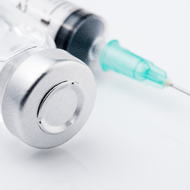
Researchers found it was not only safe to give the vaccine to infected dogs, but it also minimised the disease. (Stock photo)
A vaccine to prevent canine leishmaniasis could also be used to treat the disease, early clinical trials suggest.
For the first time, scientists from the University of Iowa tested the effectiveness of the vaccine LeishTec in treating infected dogs. The vaccine is commercially available in Brazil and is often prescribed by veterinarians there.
Leishmaniasis in enzootic in more than 70 countries and has recently emerged in the US, though it is not known what proportion of dogs are affected.
The study, published in the journal Vaccine, tested the effectiveness of LeishTec in more than 400 dogs - largely foxhounds, as they are one of the most likely breeds to carry the disease in North America.
An experimental group were vaccinated three times in six weeks and checked every three months for the next year. Researchers found it was not only safe to give the vaccine to infected dogs, but it also minimised the disease in the experimental group of dogs.
Dr Kelly Diehl, of the Morris Animal Foundation, which funded the research, commented: “This is an important study that is going to make a big difference in canine health globally. We now have a new tool in the toolbox to control this disease and give countless dogs longer, healthier lives.”
Canine leishmaniasis is thought to affect around 20 per cent of dogs in Southern Europe and is edging northward. It is also widespread in Brazil, where millions of infected dogs are euthanised every year.
It is believed that many foxhounds in the US were born with the disease as a result of breeding with imported hounds from endemic areas. While treatment is available, the disease is fatal in most cases.


 Eligible members of BEVA will be able to vote for their Council team until Monday, 17 August 2026. Members will have received an election email on 17 July.



