


Higher level of parasites found in rural regions of Vienna
Viennese dogs have relatively few endoparasites in their faeces compared to dogs in rural regions, new research has found.
Scientists from Vetmeduni Vienna aimed to find out not just the prevalence of endoparasites, but also whether there was a link between parasite occurrence and the density of dog populations and the cleanliness of dog zones.
The research team collected over 1,000 anonymous dog faecal samples from 55 dog zones across all 23 districts in Vienna. An additional 480 faecal samples were collected room the Mödling district and the town of Wolkersdorf, to cover areas with a peri-urban and rural character, respectively.
Findings suggest a relatively low prevalence of parasites in Viennese dogs, compared to other European studies. However, there was a significantly higher level of endoparasite occurrence in dogs in the rural region.
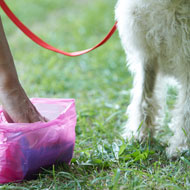
In addition, scientists found that faeces was more likely to contain parasites if it had not been cleared up by the owner, which they believe could be related to differences in hygiene awareness among dog owners.
No correlation was found between a high density dog population and higher endoparasite infection rates. It is thought this could be because many dog owners in the urban areas remove their dogs’ faeces from the ground.
Researchers said dog owners should be better informed about the zoonotic risks and encouraged to remove and properly dispose of dog faeces to reduce the risk of infection for dogs and humans, as well as other animals.


 Eligible members of BEVA will be able to vote for their Council team until Monday, 17 August 2026. Members will have received an election email on 17 July.



