


Dead whale ingested six kilos of plastic
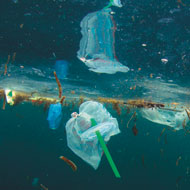
Indonesia is the world’s second largest contributor to plastic pollution after China.
A sperm whale found dead on the coast of eastern Indonesia had ingested around six kilograms of plastic waste, officials have confirmed.
The whale was found on Monday (19 November) in the Southeast Sulawesi province by rescuers from Wakatobi National Park. Park chief Heri Santoso said they found 115 plastic cups, four plastic bottles, 25 plastic bags, two flip-flops and more than 1,000 other items of plastic inside the animal’s stomach.
Dwi Suprapti from WWF Indonesia, who assisted the rescuers, told the Associated Press: “Although we have not been able to deduce the cause of death, the facts that we see are truly awful.”
She added that it was not possible to tell if the plastic had caused the whale’s death because the whale was in such an advanced state of decay.
According to a study published in the journal Science, Indonesia is the world’s second largest contributor to plastic pollution after China. Each year the country produces some 3.2 million tones of plastic, of which 1.29 million finds its way into the ocean.
Indonesia’s coordinating minister of maritime affairs, Luhut Binsar Pandjaita, said the discovery had prompted tougher action from the Indonesian government.
“It is possible that many other marine animals are also contaminated with plastic waste and this is very dangerous for our lives,” said Pandjaita.
Among the measures being implemented by the Indonesian government include urging shops not to provide plastic bags and teaching the problem in schools. The government hopes to reduce its overall plastic use by 70 per cent by 2025.
“This big ambition can be achieved if people learn to understand that plastic waste is a common enemy,” he told The Associated Press.


 Companies marketing medicines for small pets exempt from authorisation must submit their annual return to the Veterinary Medicines Directorate (VMD) by 30 November 2026.



