


Shoppers warned not to be duped into buying ‘fake’ fur
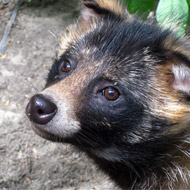
The BBCs Watchdog programme found that fur from animals like raccoon dogs is being marketed in fake fur products.
The RSPCA is warning shoppers not to be duped into buying ‘fake’ fur this winter.
The warning follows an investigation carried out by BBCs Watchdog programme on Wednesday (14 November), which found that fur from animals like raccoon dogs is being marketed in fake fur products.
“It’s not easy for shoppers who believe they are doing the right thing but are actually being duped,” said RSPCA wildlife expert Ros Clubb. “There are guides online for people to read to help identify what is real and fake but the best thing you can do is to question the shop you are buying from about where they source their materials or simply to avoid fur altogether.
“It’s distressing and completely unacceptable to see the results of tests carried out by Watchdog showing that fur from animals such as raccoon dogs are being marketed in fake fur products. This simply removes the consumer choice about what they are buying as they are being lied to and misled.”
Fur farming was banned in Wales and England in 2000, and all fur farms were shut down by January 2003. It is still legal, however, to import some fur products from other countries.
“Animals raised for their fur in other countries often live in cramped, barren cages – with little ability to exhibit many natural behaviours or enjoy much quality of life. Some are killed in horrific and inhumane ways,” Clubb continued.
“From these countries, fur makes its way onto the British high street and, due to poor labelling, people may not realise it is real. Many consumers would be horrified to have unknowingly contributed to this cruel trade.
“This is particularly concerning at this time of year, when fur-trimmed hoods and fur-topped bobble hats are widely available on the high street and online, often at very low prices.”
An online guide to help consumers identify whether fur its real has been launched by the RSPCA. Humane Society International has also launched an online petition calling for an end to the fur trade.


 Companies marketing medicines for small pets exempt from authorisation must submit their annual return to the Veterinary Medicines Directorate (VMD) by 30 November 2026.



