


Decision to reimburse farmers for carnivore attacks welcomed
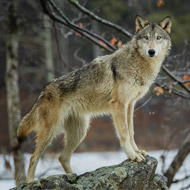
Many EU Member States are home to protected species such as wolves, bears, lynx and wolverines.
Animal welfare campaigners have welcomed a decision by the European Commission to fully reimburse farmers for damages caused by wolves and other large carnivores.
Humane Society International said the compensation will cover the cost of preventative measures, such as electric fencing or guard dogs, and reduce the need for shooting.
Many EU Member States are home to protected species such as wolves, bears, lynx and wolverines. But a lack of natural prey combined with habitat loss has led to many of these animals attacking domestic species.
Human-wildlife contact has occurred in some Member States as a result of competition for wild prey and the human fear of living alongside large predators. This has led to some of these large protected carnivores being shot or otherwise killed.
HSI/Europe’s executive director Ruud Tombrock said: “It is crucial that we achieve coexistence with wolves and other large carnivores in Europe. After centuries of persecution, these protected species are now rebounding following the EU’s sterling conservation efforts.
“This does, however, create opportunities for human-wildlife conflicts to occur. All too often farmers want to reach immediately for their rifles when flocks or herds are attacked.
“They should indeed be fully compensated for animal losses and veterinary costs incurred, yet it is also important that preventative measures are taken to reduce the risk of such predator attacks from happening in the first place.”


 Companies marketing medicines for small pets exempt from authorisation must submit their annual return to the Veterinary Medicines Directorate (VMD) by 30 November 2026.



