


Vets urged to report suspected dog fighting injuries
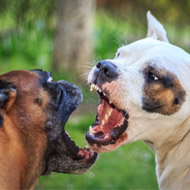
Among the warning signs to watch out for include puncture wounds in various stages of healing.
A leading animal welfare charity is calling on vets to report suspected dog fighting injuries after evidence shows that eyewitness reports are going unreported.
The call from the League Against Cruel Sports (LACS) comes in response to a Royal Veterinary College (RVC) survey that provides evidence dog fighting is on the rise.
The survey found that 15 per cent of veterinary professionals suspected they had treated at least one dog engaged in illegal dog fighting. However, LACS says that most of these are going unreported ‘amid members of the veterinary profession lacking confidence in how to report their suspicions.’
“Vets are in a unique position to help tackle dog fighting where animals with suspected fighting injuries are encountered,” explained Suzanne Heaney, dog fighting programme manager at the LACS. “It is extremely concerning such incidents are not being routinely reported through the mistakenperception that customer confidentiality prohibits veterinary professionals from raising the alarm with animal welfare charities or the police.”
The League stresses the government’s code of practice recognises that animal welfare trumps client confidentiality and the vital role of vets in tackling this growing problem. To help overcome this common misconception, the League has published a handy guide for veterinary professionals, on how to spot the signs of dog fighting and how to report it.
Among the warning signs to watch out for include puncture wounds in various stages of healing, typically to the head, neck, chest and forelimbs, and marks around the neck from weighted collars used in fight training. Vets are also urged to look out for owners paying in cask to avoid detection for a dog used in fighting, and owners seeking to purchase drugs or medical supplies with a view to treating injuries themselves.
“The League urges veterinary professionals to familiarise themselves with the injuries and behaviours which indicate dog fighting, then come forward with any suspected cases in confidence to the League,” Ms Heaney continued. “It may be a cliché, but one very true, that it’s better to be safe than sorry – especially when the life of a dog forced to fight depends on people taking action.”


 Eligible members of BEVA will be able to vote for their Council team until Monday, 17 August 2026. Members will have received an election email on 17 July.



