


RCVS approves proposals for Certification Support Officers
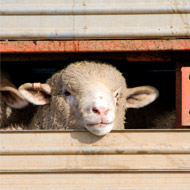
CSOs are non-veterinarians who would support the work of Official Veterinarians (OVs) in the signing of export health certificates.
Government plans for non-vets to support animal product certification have been approved by the RCVS.
Developed by the APHA, the plans involved the creation of a new role of Certification Support Officers (CSOs). These are non-veterinarians who would support the work of Official Veterinarians (OVs) in the signing of export health certificates for products of animal origin.
The plans arose after concerns were raised about the growth of exports in recent years and the potential for a 300 per cent increase in products requiring OV certification once the UK leaves the EU.
Under the proposals, CSOs will work under the direction of veterinary surgeons and support their certification work. Final certification will always need to be signed by OVs, however, and the role will not involve certification relating to live animals or germinal products.
At the RCVS Council meeting on Thursday (1 November), Council members agreed to facilitate APHA’s proposals and to make changes to the RCVS requirements to allow CSOs to support OVs in their certification work.
RCVS president Amanda Boag said: “As we have stated in our recent statement on ‘no-deal’ Brexit, it has been estimated that there would be 325 per cent increase in veterinary certification requirements if the UK leaves the EU without a deal, and with these proposals Defra and APHA are preparing for this by increasing the support available for Official Veterinarians.
“Furthermore the proposal is in line with the concept of a vet-led team, with veterinary surgeons focusing on tasks only vets can do, whilst delegating some tasks to suitably trained and quality-assured members of our teams."
She continued: “We appreciate that there were some concerns over the level of education and training required by CSOs and are glad that the APHA has accommodated those views by increasing the level of education to three A-Levels (or equivalent in Scotland) and clarifying the nature of the training required by CSOs.
“By signalling its support for the proposals, RCVS Council has been assured that the integrity and value of the veterinary signature will be upheld and we are glad that we can play a key role in helping the veterinary profession prepare the UK for leaving the EU.”


 Companies marketing medicines for small pets exempt from authorisation must submit their annual return to the Veterinary Medicines Directorate (VMD) by 30 November 2026.



