


Vets call on George Eustice to retract badger cull statement
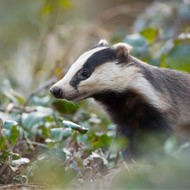
Examination of the data found no reduction in the prevalence of bTB infected herds in Gloucestershire or Somerset.
Senior vets and animal protection organisations have signed an open letter expressing concern over claims that badger culling has lowered bovine TB (bTB) cases in cull zones.
The 16 vets and animal welfare experts from institutions across the UK call on George Eustice MP to retract his statement, in which he says the government’s strategy for coping with the disease ‘is delivering results’.
Mr Eustice was referring to data which suggests bTB levels in Gloucestershire and Somerset are now around half what they were before the badger culls began. But according to the letter’s signatories, ’there are approximately the same proportion of bTB affected herds now, as there were before culling started’.
The letter states that examination of the data in detail found no reduction in the prevalence of bTB infected herds in Gloucestershire or Somerset as a result of culling. Its authors note that methods used by Defra to reach their conclusion ‘merit analysis’ and that greater clarity ‘can be obtained ‘by focusing on prevalence rather than incidence.’
‘We respectfully request that Mr Eustice withdraw his inaccurate statement and that, having consulted with Mr Gove and Defra’s chief vet, he issue a corrected statement on a newly entitled document which accurately reflects bTB prevalence in cattle after four years if badger culling in Gloucestershire and Somerset,’ the letter reads.
The signatories also refer to published footage that shows how a badger took a minute to die after being shot by a cull contractor, noting increasing public unease at the animal suffering associated with the badger cull.
‘The badger cull has produced no measurable reduction in the percentage of bTB infected herds in cull zones but has produced a well-documented increase in badger harm. Neither the veterinary profession nor the general public will tolerate such abuse in plain sight,’ they write.
The letter was addressed to the editor of The Observer and published in full by Network for Animals. Organised by Dr Iain McGill, director of the Prion Interest Group, other signatories include Andrew Knight, professor of animal welfare and ethics at the University of Winchester and Richard Saunders, an RCVS specialist in zoo and wildlife medicine.
It was also signed by Dr Mark Jones, head of policy at Born Free, Dominic Dyer, CEO of the Badger Trust, and Adam Grogan, head of wildlife at the RSPCA.


 Companies marketing medicines for small pets exempt from authorisation must submit their annual return to the Veterinary Medicines Directorate (VMD) by 30 November 2026.



