


PPR vaccines protect against all strains - study
The results provide new evidence about how the vaccines protect susceptible animals.
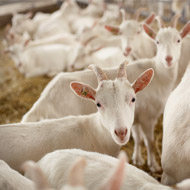
Two of the most common peste des petits ruminants (PPR) vaccines protect susceptible animals against all strains of the disease and could be used more widely, according to new research.
The study was the first to directly compare the ability of two PPR vaccines to protect susceptible animals against wild-type strains from any of the four genetic lineages of PPR virus. By analysing the immune response of goats, researchers found that found that both vaccines could fully protect against clinical signs of the disease.
Their results, published in the Journal of Virology, provide new evidence about how the vaccines protect susceptible animals, detailing both antibody and immune cell responses. The vaccines tested were PPRV/Nigeria/75/1, which is used in most countries outside of India, and PPRV/India/Sungri/96, which is used exclusively in India.
“More information on the efficiency of available PPRV vaccines was needed to facilitate vaccine supply and better regional vaccine uptake,” explained Dr Karin Darpel, head of the Orbivirus group at Pirbright.
PPRV is a serious disease of sheep and goats that was recently targeted for control and eradication by the World Organisation for Animal Health after its rapid spread across the Middle East and Asia.
Dr Baron, OIE Expert on Rinderpest and PPR said: “Through demonstrating that both vaccines can be used against all PPR viruses in any country, we have confirmed that global vaccine supplies can be used more flexibly during the eradication campaign.”


 Companies marketing medicines for small pets exempt from authorisation must submit their annual return to the Veterinary Medicines Directorate (VMD) by 30 November 2026.



