


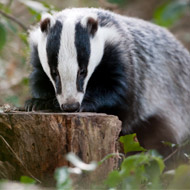
Researchers assess impact of gut bacteria on BCG vaccine
New research led by the University of Surrey has revealed fresh insights into how gut bacteria could protect badgers and cattle from tuberculosis.
The research, funded by the Morris Animal Foundation, found that whilst gut bacteria from badgers could be decreasing the effectiveness of the BCG vaccine, it could also be killing the bacteria - M Bovis - that causes the disease.
Researchers say these good news/bad news findings, published in BMC Microbiology, could help to improve tuberculosis prevention.
It is already understood that some natural gut bacteria produce substances that kill off their competitors or make the gut a hostile place for them. To see if this might be occurring in the badger gut too, researchers isolated several types of natural gut bacteria from badger faeces.
They found that some of these bacteria kill off the BCG vaccine, which could reduce its effectiveness. But it is not all bad news, as lead author Dr Jorge Gutierrez explains:
“As M. bovis is often excreted from infected badgers in their faeces, we might find a way to use these gut bacteria to kill M. bovis instead; a way of naturally reducing contamination of the badgers’ environment with the bacteria that cause TB.
“We also found the lactic acid from badgers was good at stimulating the badger’s immune system, which could be good news for improving the effectiveness of the vaccine.”
Dr Gutierrez adds that the findings could help to explain why the BCG vaccine has variable results in badgers ‘but also points to a possible future solution’.


 Companies marketing medicines for small pets exempt from authorisation must submit their annual return to the Veterinary Medicines Directorate (VMD) by 30 November 2026.



