


Bird of prey poisonings in Scotland at record low
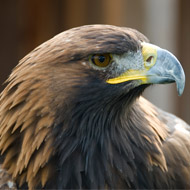
The golden eagle was among the victims of disturbance cases.
Bird of prey poisonings in Scotland are at a record low, according to figures published by the Partnership for Action Against Wildlife Crime (PAW) Scotland.
The figures show that 2017 saw only one recorded incident of illegal bird of prey poisoning, the lowest total since records began in 2004. But while there has been a fall in poisoning incidents, data from satellite-tagged raptors shows that birds are continuing to disappear in unexplained circumstances.
During 2017, there was a further 36 per cent fall in all recorded bird of prey crimes. The figures show there were nine confirmed crimes in 2017 compared to 14 the previous year. Among those species illegally killed were owls, buzzards and hen harriers.
Osprey, the golden eagle and merlin were victims of disturbance cases. Further to the poisoning incident, there were two shootings, two illegal trappings and thee cases of disturbance.
Environment Secretary Roseanna Cunningham welcomed the reduction in bird of prey crimes but warned that reports from early 2018 indicate that this remains a problem in some parts of Scotland.
“It is extremely frustrating that some criminals continue to undermine the good work that has been done by conservationists and land managers in recent years, with much of that work being done through the Partnership Against Wildlife Crime (PAW Scotland),” she said.
“We have recently provided additional resources to Police Scotland for the detection and investigation of wildlife crime, and set up a review group to look at grouse moor management, including the potential for licensing this type of business.”


 Companies marketing medicines for small pets exempt from authorisation must submit their annual return to the Veterinary Medicines Directorate (VMD) by 30 November 2026.



