


MPs call for review of ‘misguided' dog control laws
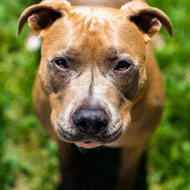
Efra Com is calling for an independent review of dog aggression and attacks, to find out if banned breeds pose an inherently greater threat.
MPs are calling for a full-scale review of dangerous dog laws, branding the current legislation “well intentioned but misguided”.
The Environment, Food and Rural Affairs Committee (EfraCom) says an alternative approach to dog control should focus on prevention through education, early intervention and robust sanctions for offenders.
EfraCom has made a series of recommendations to the government, following its inquiry into breed specific legislation (BSL) and wider dog control.
Committee chair Neil Parish said the inquiry found the current legislation is “riddled with inconsistencies, harms animal welfare unnecessarily, and offers false reassurances to policymakers and the general public”.
Some aspects of the law, he added, are “utterly indefensible”, particularly the ban on transferring pitbulls and other Section 1 dogs to new owners, which he described as “cruel, illogical and unnecessary”.
Key recommendations:
- removing the prohibition on transferring banned breeds to new owners, as it results in the unnecessary destruction of good tempered dogs that could have been safely rehomed
- an independent review of dog aggression and attacks, to find out if banned breeds pose an inherently greater threat. The committee says there are serious concerns about the robustness of the government’s evidence base on BSL, and presented evidence that some legal breeds can be just as much of a threat to public safety
- owners involved in low to mid-level offences should undertake mandatory dog awareness courses
- awareness campaigns should encourage responsible ownership and improve childhood education on staying safe around dogs
- a new Dog Control Act should be introduced to consolidate the current ‘patchwork’ of legislation and provide enforcement authorities with new powers.
Mr Parish said: “Existing laws and the breed ban have not stemmed the rising tide of injuries and deaths from dog attacks. Children and adults are suffering horrific injuries, many of them avoidable. This is unacceptable. The public must be properly protected, and we are therefore calling for a full-scale review of existing dog control strategies…
“Evidence from across the world shows that the Government should focus instead on encouraging responsible ownership, improving education, and ensuring offenders face robust penalties.”


 Eligible members of BEVA will be able to vote for their Council team until Monday, 17 August 2026. Members will have received an election email on 17 July.



