


ASF cases in Belgium rise to 75
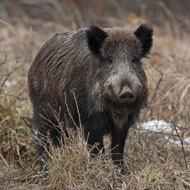
All confirmed cases have been found within existing restriction zones.
Belgium has seen confirmed cases of African swine fever in wild boar rise to 75, according to information received by the UK’s National Pig Association.
Wallonia’s minister of agriculture, René Collin, said last week that 126 boars had been tested, including 99 found in the 63,000-hectare security perimeter.
All confirmed cases have been found within existing restriction zones; while those found outside the security perimeter tested negative.
There have been no cases in domestic or commercial pigs, but a cull of 4,000 domestic pigs in the infected zone was completed earlier this month.
As a precaution, vets must take three blood samples to test for ASF when clinical signs or mortality is seen on commercial pig farms in Belgium.
NPA chief executive Dr Zoë Davies told MRCVSonline: “Of course we are all extremely concerned about the spread of ASF in Europe and in China, especially when large jumps are seen over many miles where meat infected with the disease is brought in and finds its way into the local pig population. It is alarming to see how easily it can happen.
“This is why the focus is on highlighting the risk of bringing pork products back to the UK to anyone who might be working in or visiting affected countries, to pig keepers, regardless of the number of pigs they have, to observe the ban on feeding food waste to pigs and to ask vets and keepers to become familiar with the signs and symptoms of ASF so that if the worst does happen and the disease arrives here, we can stamp it out as quickly as possible.”


 Companies marketing medicines for small pets exempt from authorisation must submit their annual return to the Veterinary Medicines Directorate (VMD) by 30 November 2026.



