


Vets and nurses concerned over bTB spread in hunting hounds
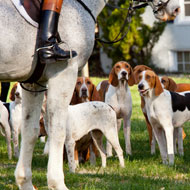
Vets and nurses criticised Defra for failing to put in place ongoing formal or statutory testing for the Kimblewick hounds. (Stock photo)
Vets and nurses are calling for an immediate ban on feeding livestock to hunting hounds, amid concerns about the transmission of bovine TB.
A letter to Defra, signed by 14 vets and seven nurses, says there should be a moratorium on hunting with hounds in England, until data shows that hunting packs are free from bTB at a national level.
This recommendation comes shortly after a formal report on the 2016 outbreak of bTB in hounds from the Kimblewick Hunt, which has around 180 hounds operating in six counties in the edge and low risk area for bTB.
The Kimblewick outbreak
Research published by Edinburgh University, in association with APHA and Defra, shows that out of 164 hounds tested, 97 had evidence of bTB infection and had to be culled.
In addition, two out of 19 pet dogs that had a close association with the pack tested positive for bTB. One member of staff at the kennels also developed latent infection, though it is not possible to determine which Mycobacterium species the person had been exposed to, due to the nature of latent TB.
The most likely route of infection is believed to be feeding the hounds meat from infected livestock. Six carcases provided for the hounds’ consumption at Kimblewick came from three farms that had experienced bTB breakdowns between 2014 and 2016.
Whilst it is common for hounds to be loaned to other kennels, there is no requirement for movement testing and hounds can be moved freely around the country, regardless of their TB status.
In the 18 months prior to the outbreak, 13 bitches had been moved between Kimblewick and two other kennels in the high risk area. The genotype of M bovis responsible for the outbreak was found to be spoligotype 10:a. Both kennels were in the region of England where this type has been detected in cattle.
‘Inadequate and secretive’
Writing in Vet Record, the coalition of 21 vets and nurses criticised Defra for failing to put in place ongoing formal or statutory testing for the Kimblewick hounds. Defra was also accused of being ‘inadequate and secretive’ over the issue.
Responding, a Defra spokesperson said: ‘We take biosecurity and animal welfare extremely seriously and expect hunt organisers to put in place appropriate measures to protect people and animals from the risk of disease.
‘TB in dogs caused by Mycobacterium Boris in the UK is extremely rare. There is no evidence to suggest dogs play a significant role in the persistence of bTB in England or that hunting with dogs contributes to the spread of disease in cattle.’


 Eligible members of BEVA will be able to vote for their Council team until Monday, 17 August 2026. Members will have received an election email on 17 July.



